


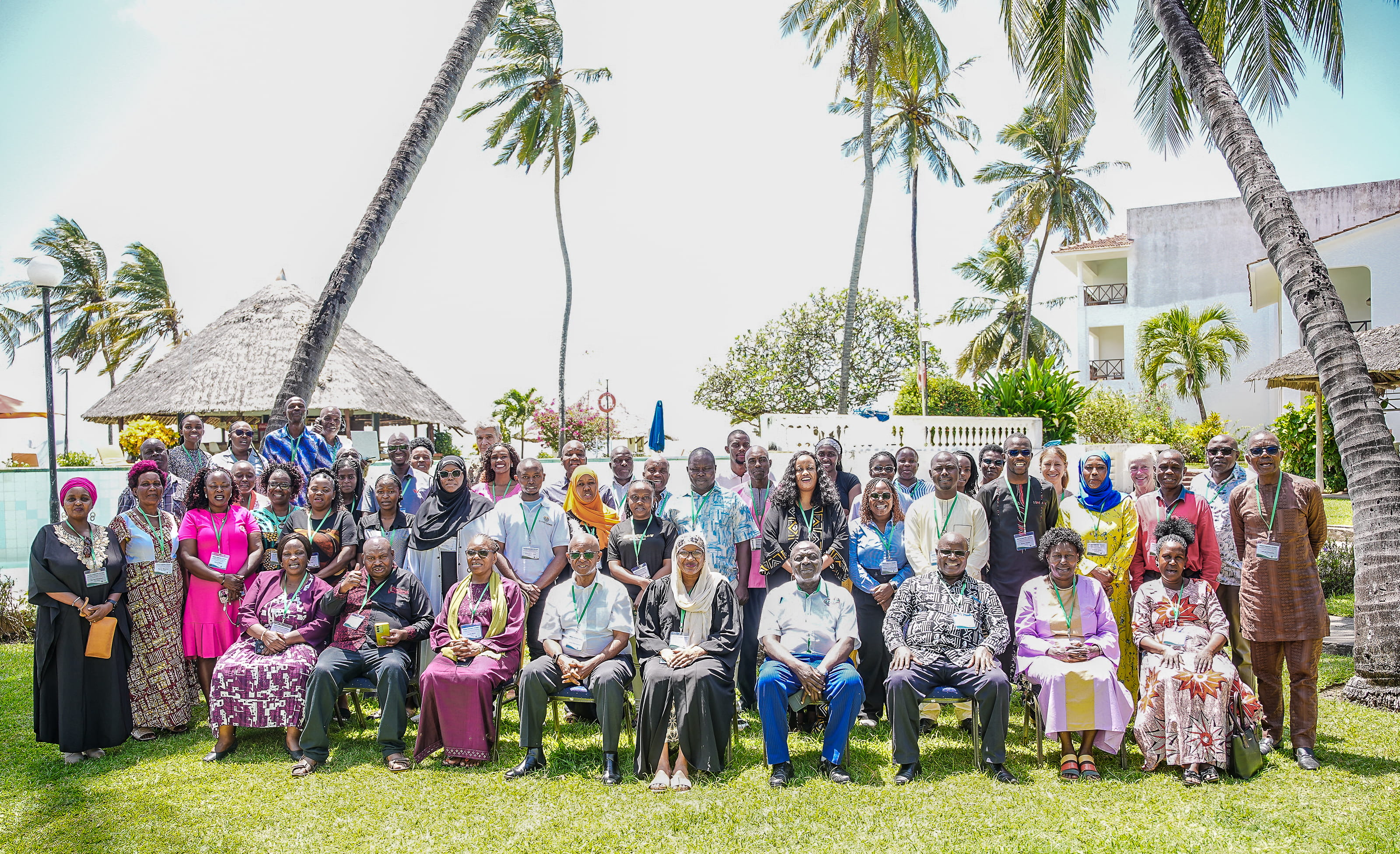
Nairobi, Kenya: Producers, traders and transporters from Taita Taveta, Makueni, Kilifi, Kitui and Mombasa counties joined researchers, government representatives, businesses and young entrepreneurs in Mombasa during 23–24 September 2026 for a national workshop on fair business development for non-timber forest products. Participants assessed research on tamarind, baobab and coconut against their experience and proposed changes in how these products are harvested, processed, utilized and sold.
The African Forest Forum (AFF), the Swedish University of Agricultural Sciences (SLU) and the Kenya Forestry Research Institute (KEFRI) convened the workshop with support from the Swedish Research Council for Sustainable Development (FORMAS). The workshop drew on two complementary projects. Fair Business Development for Non-Timber Forest Products Based on Local Knowledge: Tamarindus in Kenya contributed research on local knowledge, production and trade. AfricanYouth4Forests (AY4F): From Science to Youth Action for Sustainable Forests brought young people’s experience in sustainable forestry and ideas for working with producer groups.
In his welcome remarks, AFF Executive Secretary and CEO Prof. Labode Popoola highlighted how forest products support food security, nutrition and household incomes. As these products find wider commercial uses, he called for fairer returns for the communities that have managed them for generations. KEFRI Deputy Director Dr. David Langat highlighted tamarind’s value in Kenya’s drylands and called for county-level investment to improve access to land, finance, technology and markets, particularly for women and young people.
Representing SLU, Prof. Anders Roos invited producers, traders and other participants to help shape the research conclusions by identifying where the findings matched their experience and where more evidence was needed. Dr. Finyange Pole of the Kenya Agricultural and Livestock Research Organization (KALRO) highlighted coconut as a flagship crop at its Industrial Crops Research Centre in Mtwapa, with scope for local processing and a wider range of products. He also pointed to KALRO’s work to bring fruit trees such as tamarind into cultivation as a contribution to biodiversity conservation.
James Mwang’ombe of the Kenya Forest Service officially opened the workshop on behalf of the Senior Deputy Chief Conservator of Forests. He asked participants to consider how sustainable harvesting, local processing and better access to buyers could make these businesses commercially viable. He also called for indigenous knowledge to inform scientific research and for local knowledge holders to be recognised and fairly rewarded as businesses grow.
Keeping more value in local communities
Participants confirmed that the research broadly reflected conditions on the ground. Poor drying and storage have led to losses, leaving producers with little choice about when and how to sell. Unreliable price information weakens their bargaining position, while small, irregular volumes make larger orders difficult to fill. Participants proposed pooling harvests through producer organisations, improving grading and packaging, and building regular relationships with processors, restaurants and retailers.
Women play central roles in collecting, processing and trading forest products. Yet insecure access to land and trees, limited finance and equipment, and unequal influence over business decisions can restrict their control over earnings. Participants called for women and young people to have a greater say in how enterprises are run and how benefits are shared.
Sustaining supply as demand grows also means protecting existing trees. Research presented at the workshop documented practices such as consulting community members before cutting certain trees. Participants recommended supporting communities to pass on this knowledge and drawing on it alongside scientific research to guide sustainable harvesting, on-farm planting and natural regeneration.
Young people help shape business opportunities
Young people took part in reviewing the research and developing proposals with producers. Through AY4F, young people aged 18–30 engage with scientific and indigenous knowledge, contribute to forest governance and explore opportunities in sustainable forestry. Six participants from the initiative’s 2025 Kenya workshop in Kitui shared how they had applied what they learned.
Proposals ranged from developing ready-to-use tamarind paste and new baobab products to using SMS to connect tree nurseries with buyers in areas with limited internet access. Another proposal would pair a producer group with a youth team to document where products come from and develop a brand. The producer group would own the brand name and decide which stories to share.
The discussions also highlighted what young entrepreneurs could learn from producers about harvest seasons, processing methods and product quality. Participants identified mentorship, technical training and finance as practical support for turning these proposals into working partnerships.
From workshop findings to follow-up action
The workshop closed with recommendations and a roadmap for the three value chains. Participants called for stronger county extension services, clearer quality standards and a review of licensing requirements and levies that can raise costs for small enterprises.
The AFF, SLU and KEFRI plan to use the recommendations to develop follow-up research, investment and policy proposals. Kenya Agricultural and Livestock Research Organization expressed interest in working with the research team to explore opportunities in the coconut value chain.
Watch the workshop video on YouTube · Read the workshop concept note